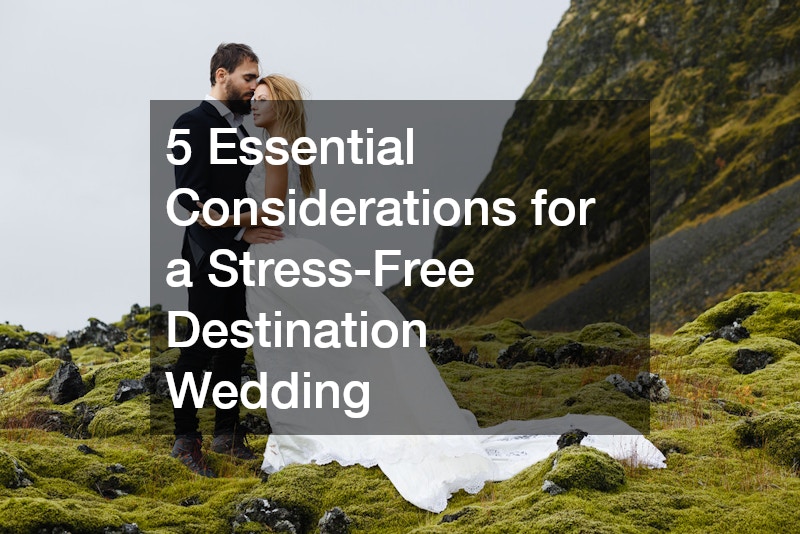

Trading a traditional hometown venue for a breathtaking, far-off locale is an incredibly romantic proposition. Whether it is a sun-drenched beach, a quiet mountain peak, or a historic European estate, a destination wedding transforms a one-day event into an unforgettable multi-day experience for you and your guests.
However, the very elements that make a destination wedding so magical—the distance, the exotic setting, the unfamiliar culture—also introduce unique logistical hurdles. Planning a wedding from hundreds or thousands of miles away requires a completely different approach than coordinating a local celebration. Without a clear strategy, couples can easily find themselves overwhelmed by hidden costs, complex travel legalities, and communication barriers. By breaking down the process into actionable steps and focusing heavily on the often-overlooked logistics, you can ensure that your far-away celebration is as seamless as it is beautiful.
Budgeting and Venue Selection: Weighing Your Property Options

The foundation of any successful destination wedding is choosing a venue that aligns with your aesthetic vision and your financial reality. Unlike local venues, where you can easily drop by for a site visit, destination properties require a high level of trust and careful remote vetting.
Look Beyond Pictures: How to Vet Local Venues Remotely
Never rely solely on a property’s polished website or Instagram feed. Photos can be angled to hide nearby construction, dated interiors, or a lack of privacy.
- Schedule Live Video Tours: Request a walkthrough via FaceTime or Zoom with the on-site coordinator. Ask them to show you the actual spaces where your ceremony and reception will take place, as well as the transition paths guests will walk.
- Scour Third-Party Review Sites: Read reviews on independent travel and wedding platforms. Look specifically for comments regarding the responsiveness of the staff, the quality of the backup weather spaces, and any unexpected fees.
- Analyze the Local Fee Structure: Destination venues often come with unique costs. Ask about local VAT taxes, mandatory service charges, beach permit fees, and specific setup or breakdown costs that might not be included in the initial quote.
The Turnkey Approach: Maximizing Hands-Off Planning
For couples looking to minimize stress and maximize predictability, choosing all-inclusive resorts is often the most practical route. These properties are highly experienced in hosting weddings and offer packages that bundle accommodations, food, beverages, and basic decor into a single per-person price.
The primary benefit here is guest convenience. Your loved ones can book their travel, lodging, and meals in one transaction, knowing exactly what their trip will cost. When negotiating with these resorts, always ask about group room blocks. Many properties offer complimentary perks—such as a free welcome cocktail hour or an upgraded honeymoon suite—if your guests fill a specific number of rooms.
The Intimate Alternative: Curating a Private Estate Vibe
If a massive resort feels too commercial or public for your taste, you might consider booking private vacation cabin rentals or expansive villas. This approach is ideal for micro-weddings or intimate gatherings where you want your inner circle to live under one roof for the weekend.
Hosting a wedding at a private rental property gives you complete control over the schedule and the aesthetic, free from the rigid rules of a resort. However, it demands a much higher level of logistical planning. You must proactively investigate local noise ordinances to avoid having the police shut down your music at 10:00 PM. Additionally, verify parking availability for off-site vendors and ensure the property’s plumbing and electrical systems can handle the extra strain of a crowd.
Navigating Long-Distance Logistics and Legalities

Planning a wedding across state lines or international borders introduces a layer of legal complexity and financial risk that local couples rarely have to navigate. Protecting your investment and your peace of mind should be a top priority from day one.
Guarding Your Big Investment Against the Unexpected
Destination weddings are uniquely vulnerable to disruptions beyond your control, such as airline strikes, severe weather, or geopolitical shifts. Investing in robust insurance policies specifically tailored for weddings is non-negotiable.
When shopping for coverage, look for a policy that includes cancellation and postponement protection, as well as general liability. This ensures that if a hurricane forces your venue to close, or if a sudden illness prevents you from traveling, you can recover your non-refundable deposits. Carefully review the fine print of every vendor contract as well. Pay close attention to the force majeure clause, ensuring it clearly protects you in the event of natural disasters or international travel bans.
Flying with High-Value Items Safely
One of the most anxiety-inducing aspects of a destination wedding is transporting the critical elements of your day. Valuable items should never, under any circumstances, be placed in checked luggage.
- Carry On Your Attire: Most airlines will allow you to bring a wedding gown or a suit as a carry-on item. Call the airline ahead of time to ask if you can use the first-class hanging closet, or invest in a high-quality garment bag that fits in the overhead compartment.
- Keep Jewelry Close: Your engagement ring, wedding bands, and any heirloom jewelry must stay in your personal bag or on your person throughout the entire journey.
- Prioritize Secure Travel Habits: When traveling with an expensive engagement ring, keep it securely on your finger or locked in a travel safe. Avoid packing jewelry boxes in easily accessible pockets of your backpack, and consider taking out a separate jewelry insurance rider before you leave home to cover loss or theft during transit.
Catering and Culture: Crafting the Guest Feast

Food is a cornerstone of the wedding experience, but managing catering from afar requires balancing culinary adventurousness with practical safety and guest comfort.
Vetting Long-Distance Culinary Teams
When you cannot easily attend a weekend tasting session, hiring your wedding catering team requires extra diligence. If your venue does not require an in-house caterer, look for established local professionals who have a proven track record of handling events of your scale.
Request references from recent couples and ask specific questions about the caterer’s punctuality, presentation, and flexibility. If you are unable to visit the destination for a tasting prior to the wedding week, arrange a detailed video consultation to discuss the menu line by line. Plan your final wrap-up meeting and tasting for a few days before the ceremony so you can make final adjustments to seasoning or presentation on-site.
Managing Remote Supply Chains and Food Safety
A great destination menu celebrates the local culture while remaining accessible to a diverse crowd. If you are getting married in a coastal Mexican town, fresh local seafood and regional salsas will naturally taste better than imported beef.
However, you must consider the climate and environment of your venue. For warm beach settings or high-altitude mountain locations, work with your caterer to ensure that the food stations are properly protected from heat, wind, and insects. Raw bars and delicate dairy products require strict temperature control, so ensure your catering team has mobile refrigeration units on-site. Finally, always provide a variety of options to accommodate guests with severe dietary restrictions or food allergies, ensuring they can dine safely far from home.
Infrastructure Mastery for Remote or Outdoor Venues

Many of the most picturesque destination wedding locations—clifftops, remote beaches, or deep forest clearings—are beautiful precisely because they are undeveloped. However, a lack of development means you must bring in the entire infrastructure yourself to ensure guest comfort.
Elevating the Basic Necessities for Outdoor Comfort
If you are hosting your celebration on a private beach or a rustic field, standard plumbing will not be available. While it might be tempting to skimp on sanitation costs, subpar facilities can completely ruin the guest experience.
Instead of relying on basic plastic portable toilets, look into renting a modern restroom trailer. These mobile units provide a completely different experience, offering flushing porcelain toilets, running water, mirrors, and proper lighting. They are also climate-controlled, giving your guests a brief, comfortable escape from intense heat or unexpected chill. When booking these units, work with your coordinator to calculate the necessary power and water hookups, ensuring you hire a quiet generator that won’t disrupt the ceremony or toasts.
Ensuring Premium Comfort in Rugged Locales
For a high-end or formal event in a remote setting, your infrastructure should match the luxury level of the rest of your decor. Investing in luxury portable restrooms ensures that guests wearing formal attire have ample space, clean surfaces, and an environment that feels like a brick-and-mortar venue.
Additionally, sanitation should be highly visible and easily accessible throughout the event space. Placing a dedicated, stylized hand-washing station near the dining area and the restroom facilities is a thoughtful touch that enhances comfort and hygiene. This is particularly crucial for outdoor weddings where wind can kick up dust, or where guests will be enjoying finger foods and signature cocktails during the outdoor reception.
Personalization and Decor: Solving the Shipping Dilemma
Every couple wants their wedding to feel personalized, but shipping boxes of custom decor, centerpieces, and favors across the country or internationally is expensive, stressful, and risky. Items can get stuck in customs, damaged in transit, or lost entirely.
Creating High-Impact Visuals Without the Cargo Weight
To avoid paying exorbitant airline baggage fees or dealing with customs brokers, focus on design elements that can be sourced or produced directly at your destination.
Instead of printing heavy wooden or acrylic signage at home and trying to pack it into a suitcase, partner with a local custom sign company based near your venue. You can send them your digital design files months in advance, allowing them to print your welcome signs, seating charts, and menus locally. This not only eliminates shipping risks but also supports the local economy and ensures your signage arrives at the venue perfectly intact.
Designing Meaningful, Travel-Friendly Keepsakes
When it comes to smaller, personal touches, prioritize items that are lightweight, flat, or easily packable. If you want customized elements for your tables or guest welcome bags, look into textile options.
- Opt for Flat Textiles: Utilizing a custom embroidery service allows you to personalize fabric napkins, cocktail ribbons, or canvas welcome totes. These items take up minimal space in your luggage and can be packed tightly without risk of breaking.
- Source Local Favors: Rather than bringing favors from home, create welcome baskets filled with items indigenous to the region, such as local coffee beans, artisanal snacks, or locally made soaps.
- Leverage Light and Flora: Focus your decor budget on elements that don’t require transport. Local floral arrangements, ambient fairy lights, and strategic candle placement create a high-impact visual experience without adding weight to your packing list.
Planning a destination wedding is an exercise in balancing a grand romantic vision with practical execution. The couples who enjoy the process the most are those who accept early on that they cannot control every single detail from afar. By focusing heavily on the comfort of your guests, securing the proper legal and financial protections, and working with trusted local vendors, you set the stage for a flawless celebration.
Ultimately, a destination wedding is more than just a ceremony; it is a shared adventure for you and the people you love most. When you invest the time into building a rock-solid logistical foundation, you can truly step away from the stress of planning your wedding weekend. Instead of managing details, you will be completely free to immerse yourself in the beauty of your surroundings and the joy of the occasion.
Remember that the location you choose will forever hold a sacred place in your personal history. Long after the last toast is made, the music fades, and your guests return home, this destination will remain a milestone marker—a place you can return to for milestone anniversaries, vow renewals, or quiet romantic getaways to recapture the magic of the moment your married life began. By embracing the unique character of your chosen locale and leaning into the journey with an open heart, you are not just hosting a beautiful event; you are creating an enduring sanctuary of memories that will enrich your relationship for decades to come.