

As the boating season winds down and colder months approach, many vessel owners face an important decision: how to prepare their boats for winter storage. Neglecting proper off-season care can lead to costly repairs, damaged equipment, and a longer return-to-water process in spring. One of the most effective strategies to protect your investment is professional boat winterization. By taking proactive measures, owners can preserve the integrity of their vessel, save money, and ensure a smooth start when the next season arrives. Understanding the key reasons to consider winterizing your boat highlights why this process is not merely optional but a critical aspect of responsible ownership.
Protecting the Engine and Mechanical Systems
The heart of any boat is its engine, and harsh winter conditions can take a serious toll if it’s left unprepared. Water, fuel, and lubricants can behave differently in cold temperatures, potentially causing corrosion, freezing, and degradation over time. During winter, any residual water left in the engine or cooling system can expand as it freezes, leading to cracked components, damaged hoses, or even total engine failure. Similarly, untreated fuel may develop condensation or settle improperly, creating deposits that can clog injectors or fuel lines.
Winterizing your boat addresses these risks through thorough flushing, draining, and the addition of stabilizers and antifreeze. This process ensures that all mechanical systems are shielded from the effects of low temperatures and moisture, reducing the likelihood of unexpected repairs when the boat is returned to service. Beyond the engine, winterization also safeguards other critical systems such as steering, pumps, and electrical components, creating a comprehensive approach to seasonal protection.
Preventing Structural Damage and Material Degradation
A boat is a complex combination of materials, including fiberglass, metal, wood, and fabric. Each of these components reacts differently to environmental stress, particularly during the winter months. Ice, snow, and moisture can compromise the integrity of hulls, decks, and upholstery if proper precautions are not taken. For instance, water trapped in small crevices or within the bilge can freeze and expand, causing cracks or warping. Wooden elements may dry out or swell, metal fittings can corrode, and canvas covers or cushions may develop mold or mildew.
Thankfully, boat winterization provides a methodical approach to addressing these vulnerabilities. By thoroughly cleaning, drying, and treating both the interior and exterior surfaces, owners can prevent structural deterioration and prolong the life of the vessel. Additionally, covering the boat and storing it in a protected environment can significantly minimize exposure to damaging elements, giving the vessel a head start toward durability and maintaining its aesthetic appeal. Preventing these issues in advance is far more cost-effective than addressing extensive damage after months of neglect.
Streamlining Spring Preparation and Reducing Stress
Perhaps one of the most overlooked benefits of winterization is the impact on spring readiness. A well-prepared boat emerges from winter storage in a state that requires minimal intervention before hitting the water. Without proper winterization, the return-to-water process can be overwhelming, with tasks such as engine repair, fuel system cleaning, battery replacement, and surface restoration quickly becoming stressful and expensive. By winterizing, owners create a controlled environment that slows deterioration and maintains functionality, allowing for a quicker, smoother transition back to boating activities.
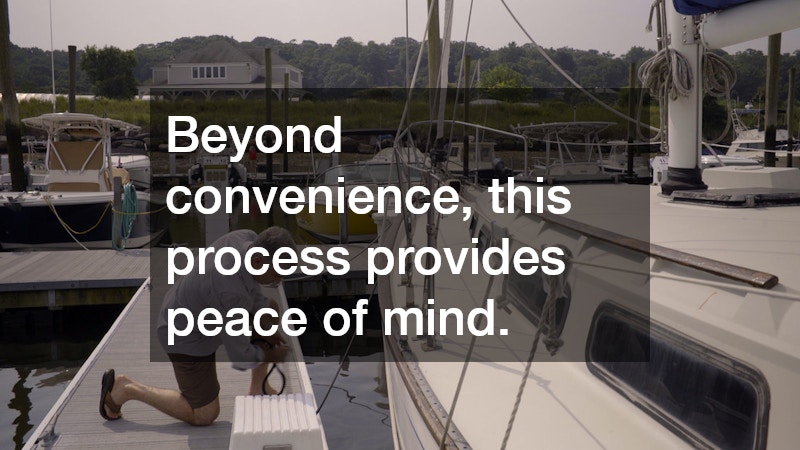
Beyond convenience, this process provides peace of mind. Owners can feel confident that their vessel has been safeguarded, reducing the anxiety associated with potential hidden damage or unexpected repairs. In essence, winterizing not only protects the physical vessel but also preserves the owner’s enjoyment and reduces the administrative and financial burdens that often accompany seasonal changes. This foresight ensures that the next boating season starts on a positive note, allowing time to focus on leisure and recreation rather than troubleshooting avoidable problems.
Winter months present unique challenges for boat owners, and neglecting proper off-season care can result in high financial and emotional costs. Boat winterization is an essential strategy for protecting the engine, mechanical systems, and overall structural integrity of the vessel. It prevents freezing, corrosion, and material degradation while also simplifying the transition back to the water in spring. By investing in comprehensive preparation, owners not only safeguard their financial investment but also ensure a smoother, more enjoyable boating experience year after year. In a world where unexpected repair costs can quickly accumulate, taking the time to winterize a boat represents both prudence and a commitment to long-term enjoyment on the water.